A Star with Velvet Charm and Steel Discipline
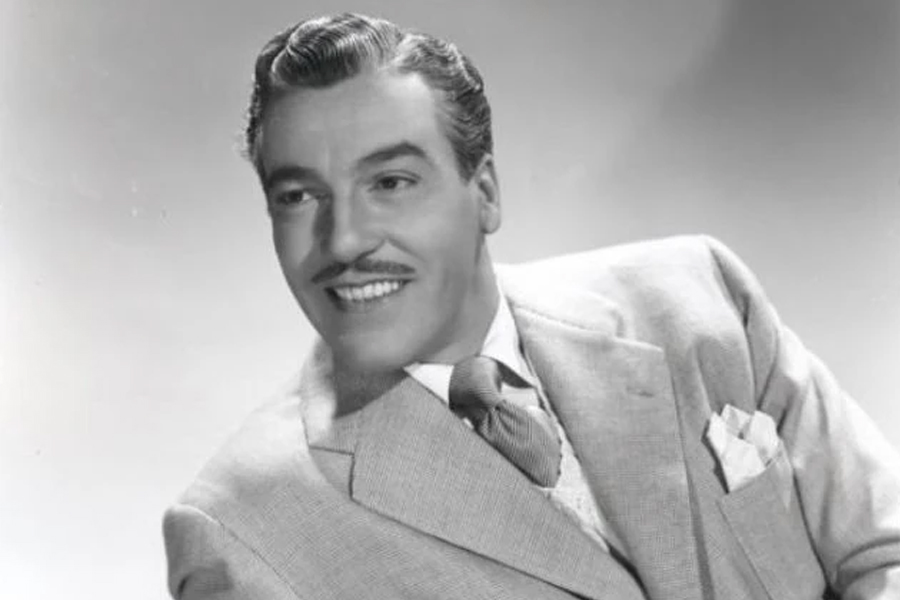
Caesar Romero looked destined for the screen before television immortalized faces. He was attractive, clever, sophisticated, and dramatic, yet behind the satin lurked grit. Born in New York City on February 15, 1907, César Julio Romero Jr. became a prominent 20th-century entertainer who excelled in dance and endurance, not just due to his appearance or mustache.
He reinvented himself for approximately 60 years, from 1929 until 1993. He appeared in almost 100 films and 250 TV shows. He was a leading man, comic rogue, musical companion, wartime serviceman, soap opera father, and many viewers’ first true Joker. Not all was well in his life. Like a river, it continued finding new courses, sparkling one decade and deepening the next.
Early Life and a Family of Culture and Upheaval
Romero’s early upbringing explains his polish and determination, which I find fascinating. Born to César Julio Romero Sr. and María Mantilla, his parents infused him with a cosmopolitan elegance and strong Cuban identity. His father, born in Barcelona in 1872, was a sugar import-export entrepreneur. His 1880-born mother was a Cuban concert vocalist and pianist. The Romero family valued art and social sophistication. They were airborne.
But privilege can vanish like stage smoke. After the 1929 stock market crisis, the family’s fortunes plummeted. Business failure and mental instability plagued Romero’s father. Instead of living comfortably, the son became the family’s provider. Reversal shaped him. It boosted his glamour.
Bradley Beach Elementary, Asbury Park High School, Collegiate School, and Riverdale Country School were his childhood schools. These details depict a young guy reared with education and social expectations who was forced into work.
The Family Members Who Framed His Life
Romero never married and had no children, but family remained the center of gravity in his life. I do not see his bachelorhood as emptiness. I see a household arranged differently, full of obligations, loyalties, and daily acts of care.
Here is a brief look at the key family members connected to him:
| Family Member | Relationship | Life Dates | Notable Details |
|---|---|---|---|
| César Julio Romero Sr. | Father | 1872 to 1951 | Sugar import and export merchant, born in Barcelona |
| María Mantilla | Mother | 1880 to 1962 | Cuban singer and pianist, often linked to José Martí |
| Maria Teresa Romero | Sister | 1905 to 1991 | One of Romero’s siblings |
| Graciela Romero, also Grace Romero Mantilla | Sister | 1911 to 1996 | Part of the close family circle he supported |
| Manuel Romero | Brother | 1918 to 1918 | Died in infancy |
| Eduardo Salvador Romero, also Ed Romero | Brother | 1920 to 2016 | Supported by Caesar through engineering school at USC |
| Emerson Romero | Cousin | Not listed here | Silent film star and notable relative |
| José Martí | Maternal family connection | 1853 to 1895 | Cuban national hero often associated with María Mantilla’s lineage |
Not simply the names, but the pattern jumps out. Caesar Romero did more than preserve family contacts. Shouldered them. Over many years, he helped transfer family west, funded schooling, and supported siblings, nieces, nephews, and relatives. The public saw tuxedos and polished grins. Families viewed the engine room.
A Dancer Before He Was a Star
Romero learned to move before Hollywood lit him up. The fact counts. Professional ballroom dancer and chorus boy in the 1920s. He joined showbiz with rhythm, posture, and timing. Not trivial foundations. They granted him permanent physical intelligence.
He appeared in Lady Do and Strictly Dishonorable on Broadway. He moved to filmmaking in the early 1930s. His first film was The Thin Man in 1934, and his second was The Devil Is a Woman with Marlene Dietrich in 1935. Hollywood saw a tall, handsome actor who could express danger, humor, and romance at once.
Still, the industry often tried to fit him into a narrow box. His looks and heritage pushed him into “Latin lover” roles or charming scoundrels. Yet Romero had more range than that label allowed. He could be silky, comic, sly, threatening, and warm, sometimes all in the same performance.
Hollywood Success Across Decades
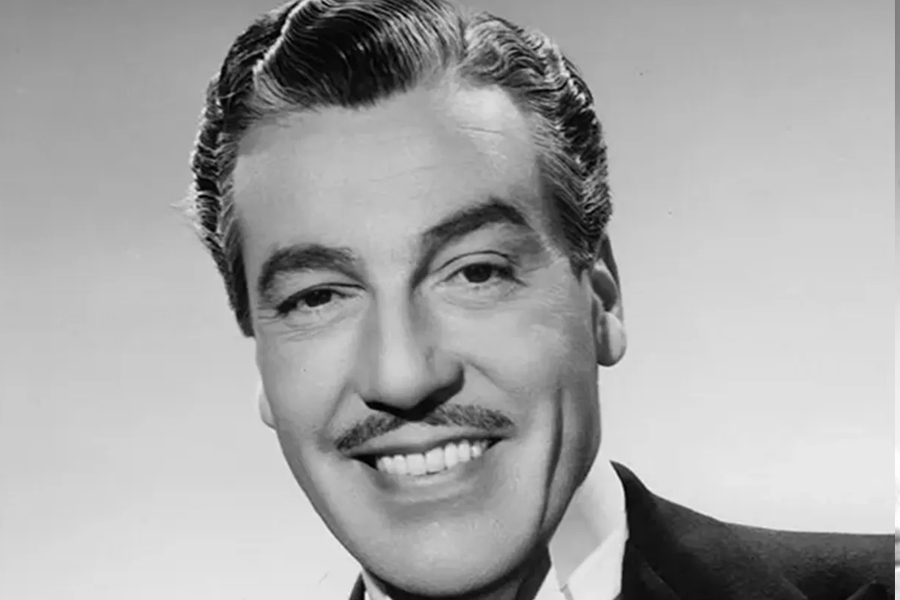
Romero’s understanding of tone helped him last. Meet a film where it lives. He appeared in several Cisco Kid Westerns from 1939 until 1941. He excelled in musicals, starring with Betty Grable and Carmen Miranda in Weekend in Havana and Springtime in the Rockies.
His filmography featured a wide range of stars. He collaborated with Shirley Temple, Sonja Henie, John Wayne, Frank Sinatra, and others. In Ocean’s Eleven, he handled Rat Pack orbits well. Donovan’s Reef featured him with John Wayne. He knew how to beautify a situation without crowding it in ensemble acting.
He loved playing Captain from Castile’s Hernán Cortés. His role allowed him to perform with authority and history, not just charm. Later, he appeared in Vera Cruz and Disney’s The Computer Wore Tennis Shoes. He didn’t let one era define him.
Service in World War II
One of Romero’s best years was away from studios. His WWII enlistment was in 1942. Coast Guard. He participated in significant Pacific Theater actions including Tinian and Saipan on the USS Cavalier. He became chief boatswain’s mate.
This service disproves the facile idea that he was only a Hollywood star. Many said he was humble in uniform and happy to be a crew member. That humility matters. The individual who lived beneath chandeliers might likewise live under military discipline and not be the center of attention.
The Joker and a New Kind of Immortality
Many consider Caesar Romero immortal because of one smile. In the 1960s Batman TV series and 1966 picture, he played the Joker with manic pleasure, linguistic brilliance, and just enough terror under the sweet coating. His performance was a dazzling, twisted carnival mirror that was unforgettable.
He refused to shave his mustache, tradition says. Makeup artists covered it with white greasepaint. Pop culture immortalized that small stubbornness. Almost too perfect. Old Hollywood sophisticate Romero left a mark under the villain’s mask. He was Caesar Romero even in clown makeup.
His Joker was playful rather than bleak, but not disposable. It set a standard for theatrical comic-book villainy long before darker interpretations arrived. He made the character dance.
Private Identity and Public Discretion
Public image was often a fortress when Romero lived. He was gay in private but portrayed as a bachelor who escorted women to occasions. Instead of hypocrisy, this is survival in a rigorous entertainment culture.
He controlled his privacy like he did performance. He played a social role in Hollywood while avoiding scandal and protecting his privacy. Later biographies stress his long-term connections, personal friendships, and support networks. Like everything else in his tale, grace and discipline are linked.
Later Years and Long-Running Relevance
Many stars disappear when industries change. Romero modified. His guest roles and live performances on television and stage in the 1970s and 1980s kept him familiar to new audiences. He played Peter Stavros alongside Jane Wyman in Falcon Crest, a key late-career role. That role introduced him to viewers unfamiliar with his 1930s and 1940s work.
In 1991, the Imagen Hispanic Media Awards awarded him Lifetime Achievement for his career and influence as a Cuban-American artist in American popular culture. Two Hollywood Walk of Fame stars—one for film and one for television—show his reach.
Estimates of his wealth at the time of his death generally place his net worth around $2 million to $5 million. For a man who spent years supporting others, that financial stability was not merely personal success. It was proof of endurance.
Final Years and Death
Romero remained active into old age, appearing in dinner theater, charity events, and television work well into his eighties. He died on January 1, 1994, in Santa Monica, California, at age 86, from complications related to a blood clot. He was buried at Inglewood Park Cemetery.
Timing is quiet and moving. Silent-era glamour, Depression-era suffering, wartime service, television stardom, and late-century nostalgia molded a 1907 man who lived into modern celebrity culture. The worlds he connects seem ages distant.
FAQ
Who was Caesar Romero?
Caesar Romero, a Cuban-American actor, singer, dancer, and entertainer, was born in New York City on February 15, 1907. Over 100 films and 250 TV shows were part of his nearly 60-year career. He was most known for playing the Joker in the 1960s Batman series and as a sophisticated Hollywood leading man.
What was Caesar Romero’s full name?
His full name was César Julio Romero Jr. In many English-language references, his first name is written without the accent mark, but the fuller Spanish form reflects his family background.
Who were Caesar Romero’s parents?
His father was César Julio Romero Sr., a sugar import and export merchant born in 1872 in Barcelona, Spain. His mother was María Mantilla, born in 1880, a Cuban concert singer and pianist with a distinguished cultural background.
His maternal line is often associated with José Martí, the Cuban national hero. María Mantilla has long been believed by many to have been Martí’s biological daughter, making Martí an important figure in Romero’s family story.
Did Caesar Romero have siblings?
Yes. Family records connected to him include siblings such as Maria Teresa Romero, Graciela Romero, and Eduardo Salvador Romero. There was also Manuel Romero, who died in infancy in 1918. Romero remained close to his relatives throughout his life.
How did Caesar Romero help his family?
Romero became a key provider as the family’s finances failed. He sponsored siblings and extended family, moved them to California, and paid for his brother Eduardo’s USC engineering studies. Family loyalty was fundamental to his private existence.
Did Caesar Romero marry or have children?
No. He never married and had no children. Even so, his life was far from solitary because he remained deeply involved with parents, siblings, nieces, nephews, and other relatives.
What did Caesar Romero do before becoming a film star?
He began as a professional ballroom dancer and chorus boy in the 1920s. He then moved into Broadway productions before entering films in the 1930s. That dance background gave him the physical grace that became one of his trademarks on screen.
What are Caesar Romero’s most famous roles?
He is most remembered for playing the Joker in Batman, the Cisco Kid in 1939–1941 Westerns, and Peter Stavros in Falcon Crest. He also appeared in The Thin Man, The Devil Is a Woman, Weekend in Havana, Springtime in the Rockies, Ocean’s Eleven, Captain from Castile, and The Computer Wore Tennis Shoes.
Did Caesar Romero serve in the military?
Yes. He enlisted in the U.S. Coast Guard in 1942 during World War II. He served in the Pacific Theater aboard the USS Cavalier, took part in operations including Saipan and Tinian, and rose to the rank of chief boatswain’s mate.
Why is Caesar Romero’s Joker performance so memorable?
His Joker combined theatrical comedy, sharp timing, and vivid visual style. The performance felt like a firecracker in a velvet box. It was playful, eccentric, and instantly recognizable. The famously visible mustache beneath his makeup added another layer to the legend.
What was Caesar Romero’s legacy?
His legacy rests on versatility, longevity, and cultural presence. He was one of the earliest major Cuban-American stars in Hollywood, a dependable film and television performer across six decades, a wartime serviceman, and a family anchor whose private generosity matched his public sparkle.